

Image Courtesy of Galvion Marketing
Galvion E.D.G.
Skills Used: Industrial Design, User Research, Form Development, Visual Branding, 3D Printing, SolidWorks, SketchBook Pro, Photoshop, Keyshot
Team: Greg Howe (I.D.), David DeTroy (M.E.) Stephane Lebel (I.D.)
The Galvion E.D.G. is a headborne power supply system originally designed for the U.S. Marine Corps. I was responsible for designing an extendable battery pack that provides power to night vision goggles for an entire nighttime operation, ensuring they remain functional throughout the night. My responsibilities included collaborating with mechanical and electrical engineers to design the housing. I created the initial housing, making space allocations for the battery cells, PCB, LED membrane, and mechanical fasteners. I utilized the industrial design process, progressing from initial sketches to the final conceptual CAD model.
Product Requirements

Mounting Interface: The extendable battery pack needed to connect with the day pack, requiring a standardized mounting interface between the two components.

Shell Compatibility: The battery pack needed to be compatible with four different helmet sizes: Galvion Boltless Hellbender sizes S, M, L, and XL.
Design Process
The design process for creating the extendable battery pack followed the traditional industrial design approach. Initially, concepts were sketched out and shared internally with former military operators to gather their feedback on the design. Once the design was validated in 2D, I translated it into 3D using SolidWorks to develop initial prototypes. This step allowed us to evaluate the size, fit, and functionality of the design. The initial prototypes were presented internally before selecting the final direction for the project.


Prototyping
We created several 3D printed prototypes leading up to the final design. These prototypes enabled us to finalize the fit to the helmet and visualize what the manufactured product would look like before proceeding to tooling. This process allowed us to make adjustments based on feedback and reviews of the prototypes.

CMF Process
I created the CMF documents to effectively communicate the color, texture, and finish of the product to our suppliers. This ensured traceability and visually conveyed the design intent.


Images Courtesy of Galvion Marketing

A charge indicator is integrated into the top surface of the night pack. This indicator shows the remaining battery level, enabling the operator to evaluate the charge status before a mission.
Change Indicator
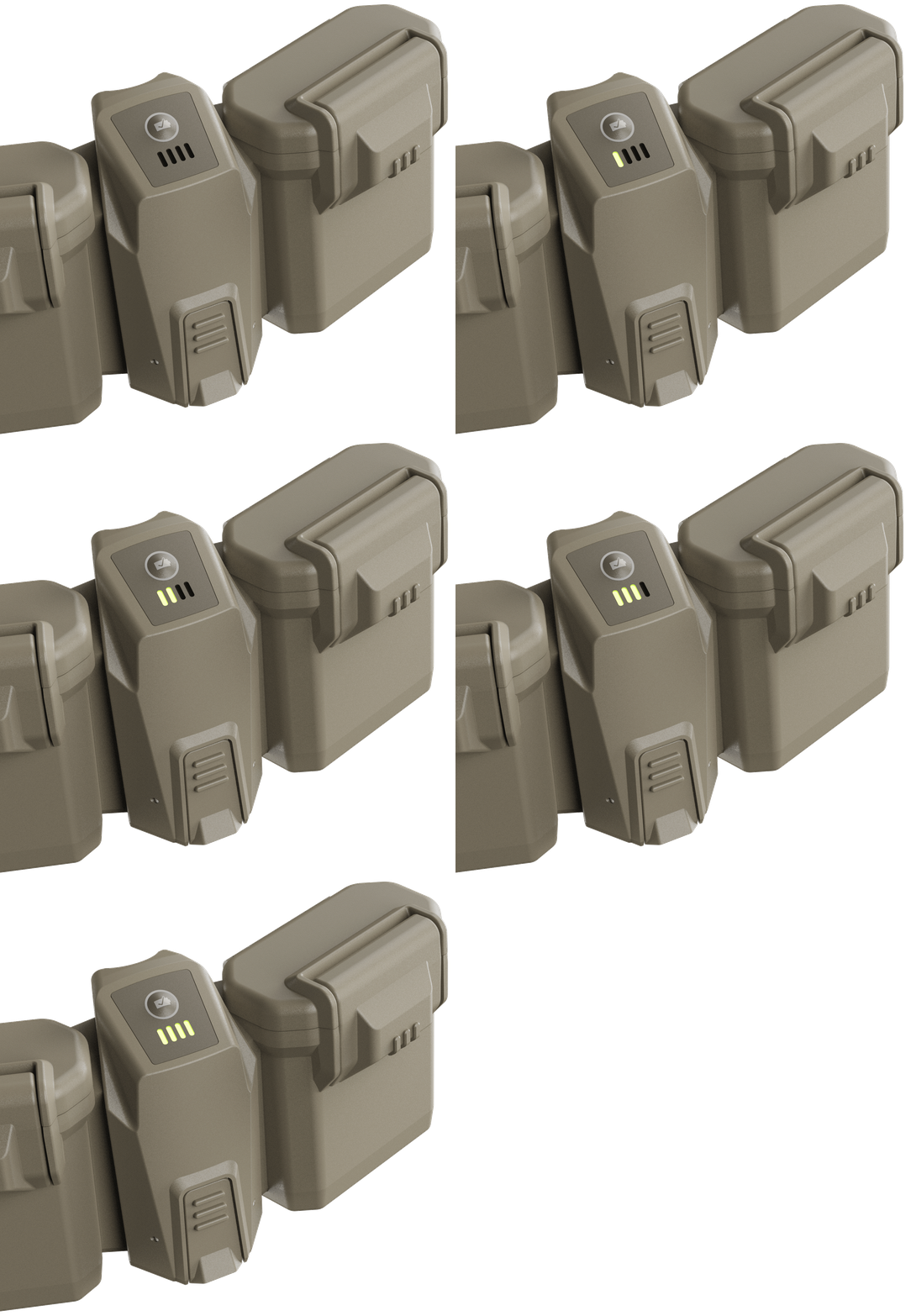

Image Courtesy of Galvion Marketing

To create a watertight seal with an easy latching mechanism, a two-stage latch was designed to ensure strong compression while remaining simple to release.
Two-Stage Latch


